Construction and demolition (C&D) debris is one of the heaviest, most tightly regulated waste streams a contractor or DIY remodeler will ever handle. On a Sanford jobsite, it is also one of the easiest to get wrong. Between North Carolina C&D disposal rules, tonnage limits at the transfer station, and the sheer density of local red-clay soil, brick, and concrete, a single overloaded bin can blow your budget and stall your schedule. This guide walks through how to sort, contain, and dispose of construction debris the right way — so your project stays compliant, cost-controlled, and moving.
Why Construction Debris Disposal Is Different in Central NC
Lee County sits on the edge of the fast-growing Triangle, and the construction boom radiating out of Raleigh, Cary, and Apex has reached Sanford in a big way. More building means more debris — and more scrutiny over where it ends up. C&D waste is regulated separately from household trash in North Carolina, and it cannot legally go into a standard municipal landfill or be burned or buried on site.
Central NC adds a physical wrinkle too: our soil and building stock are heavy. Sanford has a long masonry and brick-making heritage, and demolition here routinely produces dense loads of brick, block, mortar, and red-clay-laden fill. A container that looks half full can already be at its weight limit. Understanding density before you start loading is the single biggest money-saver on a local project.
Sort Your C&D Debris Before It Hits the Bin
Sorting debris at the source is where compliant, cost-effective disposal begins. Mixed loads cost more to process, are harder to recycle, and can trigger surcharges. Separating materials as you generate them keeps your dumpster cleaner and your invoice lower.
The Main Construction Debris Categories
- Wood — framing lumber, plywood, OSB, and pallets. Clean, untreated wood is often recyclable or mulchable; treated, painted, or engineered wood usually is not.
- Drywall — gypsum board is bulky but lightweight. Scrap drywall can sometimes be recycled into new board or soil amendment, but wet or moldy sheets are trash.
- Roofing — asphalt shingles are dense and heavy. A single-layer tear-off on an average roof can add tons of weight fast, so shingles are a classic culprit for overage fees.
- Metal — flashing, ductwork, rebar, copper, conduit, and fixtures. Metal has scrap value and should almost always be pulled out separately.
- Concrete, brick, and block — the heaviest category by far. These are best handled in a dedicated heavy-debris container rather than mixed with light waste.
Cardboard, packaging, and clean fill (dirt, rock) are their own streams as well. The more you keep separate, the more disposal options — and recycling credits — you unlock. A simple system of labeled staging piles or a second small bin for metal and clean wood pays for itself on any multi-week project, and it makes the final haul far faster because nothing has to be re-sorted at the curb.
Roll-Off vs. Dedicated Heavy-Debris Bins
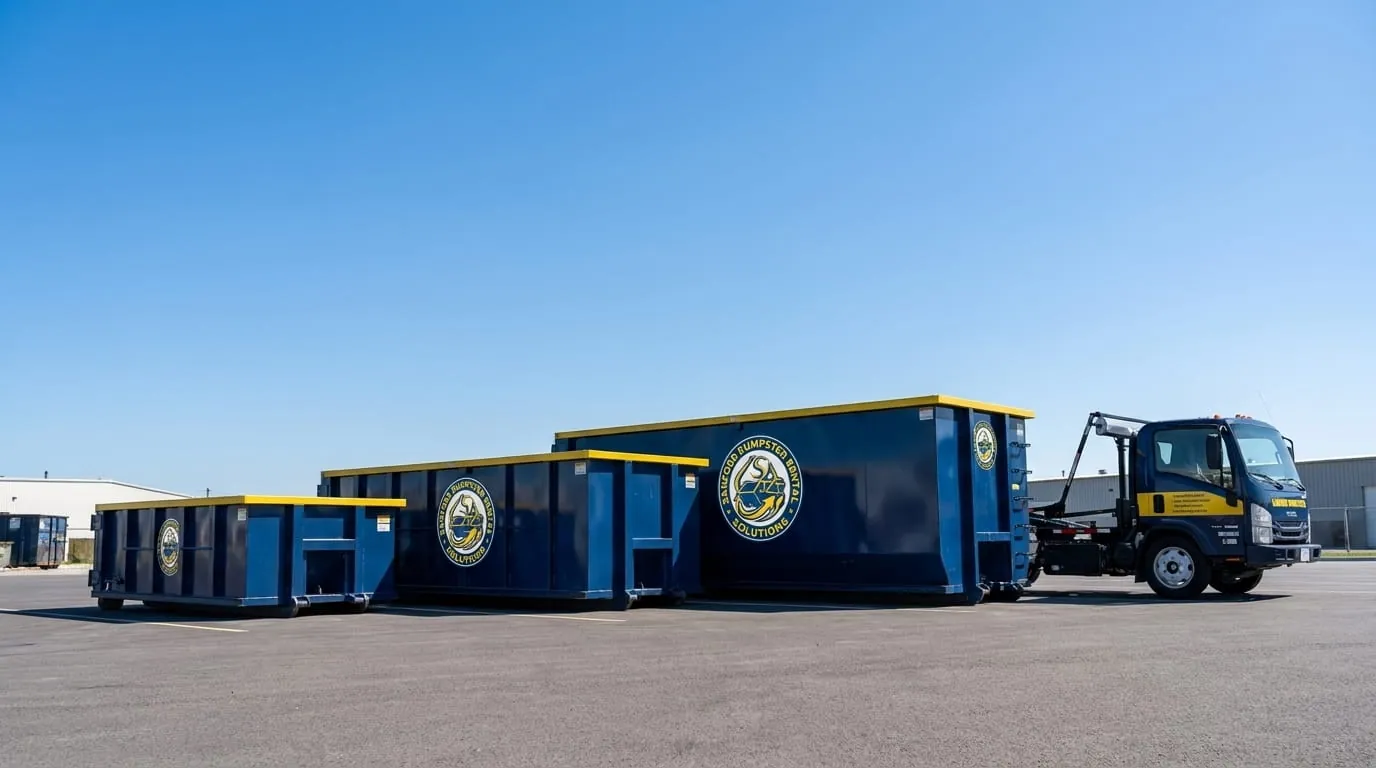
Not every dumpster is built for every load, and choosing correctly protects both your wallet and the equipment. A standard roll-off dumpster is the workhorse for general C&D: framing scrap, drywall, siding, insulation, packaging, and mixed remodel debris. Sizes typically run from 10 to 40 cubic yards, and they are ideal for whole-house remodels, additions, and cleanouts where volume is the main constraint.
A dedicated heavy-debris bin is a different tool. Concrete, brick, block, asphalt, dirt, and stone are so dense that a full-size roll-off packed with them would exceed legal transport weight long before it looked full. Heavy-debris containers are smaller by design so the load stays within axle and tonnage limits, and mixing a little concrete into a big roll-off is one of the fastest ways to turn a flat-rate job into an overage bill. If your project involves a driveway tear-out, foundation removal, or Sanford brick demolition, this is the container you want — and we cover exactly that on our concrete and heavy-debris rental page.
For everything in between — the typical contractor jobsite mixing lumber, drywall, and general waste — our construction dumpster rental options give you the right volume without paying for capacity you will not use.
Understanding Weight and Tonnage Limits
Here is the concept that trips up more remodelers than any other: dumpster pricing is driven by weight, not just size. Every flat-rate rental includes a tonnage allowance, and material hauled over that allowance is billed by the ton at disposal. Because C&D debris is dense, it is easy to hit the ceiling.
A few local rules of thumb:
- Concrete and brick can weigh well over a ton per cubic yard — a few yards fills your entire allowance.
- Roofing shingles run roughly 200–400 pounds per square (100 sq. ft.), so a full tear-off stacks up quickly.
- Red-clay soil and fill are deceptively heavy, especially after Sanford's frequent rain saturates them.
The fix is planning. Estimate your heaviest materials first, keep dense debris in the right container, and never top off a general-waste roll-off with concrete or dirt. When you are unsure, a quick call to (984) 394-2063 gets you a flat-rate quote sized to your actual load — no guesswork, no surprise overage.
Recycling, Compliance, and Jobsite Best Practices
Disposing of debris the right way is not only about cost — it is about compliance and, increasingly, sustainability. North Carolina classifies C&D waste as a distinct stream that must go to a permitted C&D landfill or recycling facility. Illegal dumping, burning, or on-site burial can bring fines and stop-work headaches, and general contractors are ultimately responsible for where their subs' debris ends up.
C&D Recycling Pays Off
Much of what leaves a jobsite has value. Clean wood, metal, concrete (which can be crushed into aggregate), and cardboard are all recyclable, and diverting them can reduce tonnage headed to the landfill. Some green-building programs and municipal permits even require documented diversion rates, so sorted, recyclable loads keep you ahead of code.
Keeping the Jobsite Safe and Compliant
- Contain debris promptly so wind and rain do not scatter it — especially important during humid, storm-prone Central NC summers.
- Keep the container accessible but off public right-of-way unless permitted; placement on a driveway or staging pad is usually simplest.
- Never load prohibited items — no asbestos, no liquids, no tires, no hazardous materials, no appliances with refrigerant.
- Load evenly and no higher than the rails so the bin can be legally and safely hauled.
Working in Sanford's hot, humid conditions also means debris breaks down and smells faster, and standing water in an uncovered load adds weight. Swapping full bins promptly keeps the site clean, safe, and OSHA-friendly.
Scheduling Swaps to Keep the Project Moving
On an active build, a full dumpster is a stopped dumpster — and a stopped dumpster means idle crews. The best contractors treat swap scheduling as part of the project plan, not an afterthought. Order the right size up front, monitor fill rate against your phases (demo generates far more waste than finish work), and call for a swap before the bin is overflowing rather than after.
Because our service is call-only and flat-rate, coordinating a swap is a single phone call with a price you already know. That predictability matters when you are managing a schedule across Sanford and the wider Lee County area, where jobsites can be spread out and timing is everything. Plan your hauls around demo days, and you will keep material flowing off site without paying for a container to sit idle.
Handling construction debris correctly comes down to three habits: sort at the source, match the container to the material, and stay ahead of both weight limits and swap timing. Do those well and disposal becomes a controlled line item instead of a budget risk.
Ready to keep your Sanford jobsite clean and compliant? Call Sanford Dumpster Rental Solutions at (984) 394-2063 for a flat-rate roll-off quote, or reach out through our contact page to schedule your next drop-off or swap.
Founder, Sanford Dumpster Rental Solutions — sharing straight advice from more than 15 years of local hauling experience.